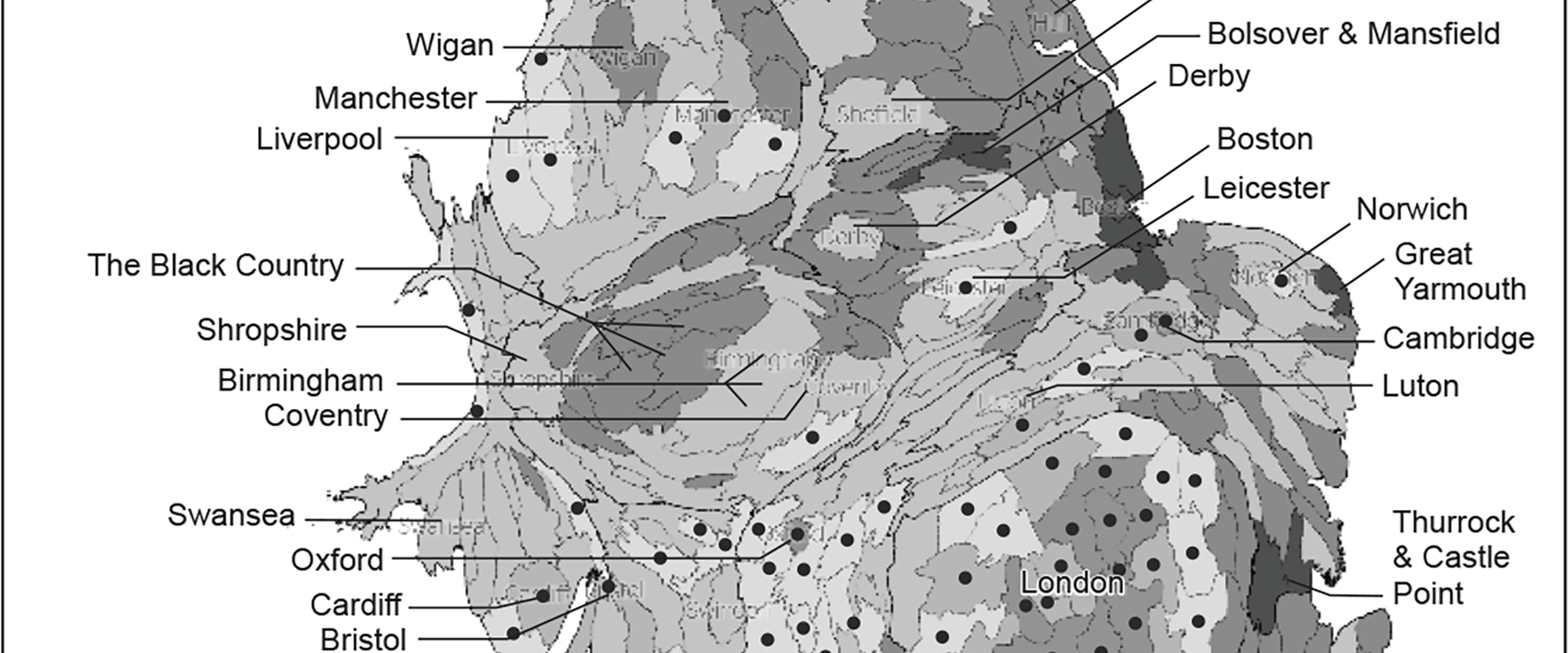
Tip-toeing to the right in the UK (1979-2014)
In hindsight we should have seen it coming. But none of us did, or at least no one who looks for the best in others.
In hindsight we should have seen it coming. But none of us did, or at least no one who looks for the best in others.

Hidden in the detail of these figures was the news that Britain’s finance and insurance industries had shrunk, albeit only by a tenth of one percent.
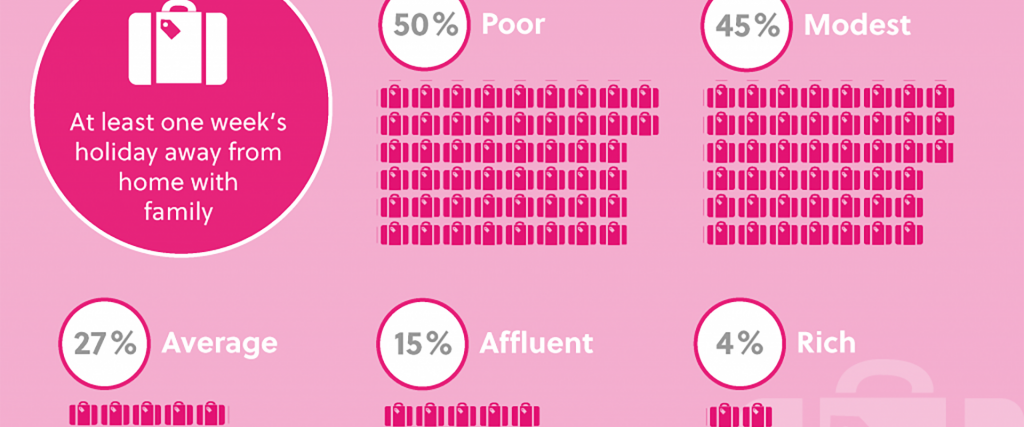
The majority of the poorest fifth of children living in the UK have no summer holiday – or any holiday at all each year – and this has been the case for at least a decade now. However people are now learning to lower their expectations.

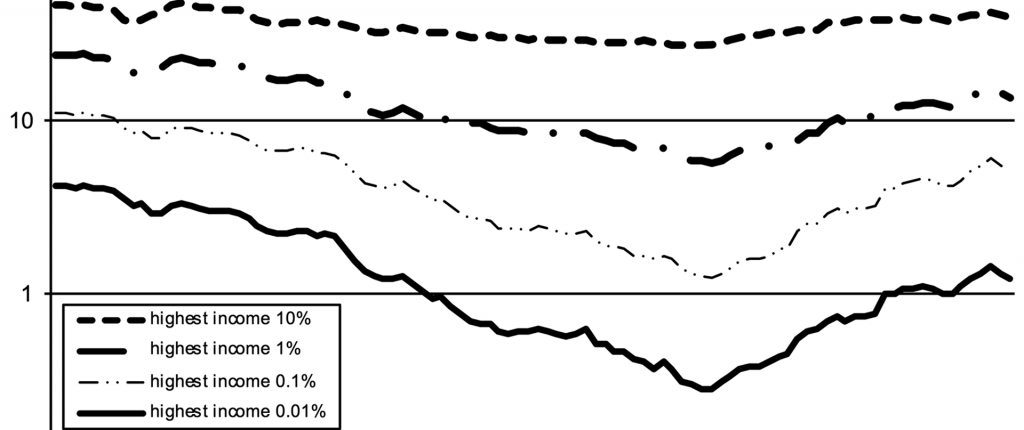
The last time inequality peaked in the UK was around 1913/1914. It appears to be peaking again this summer.
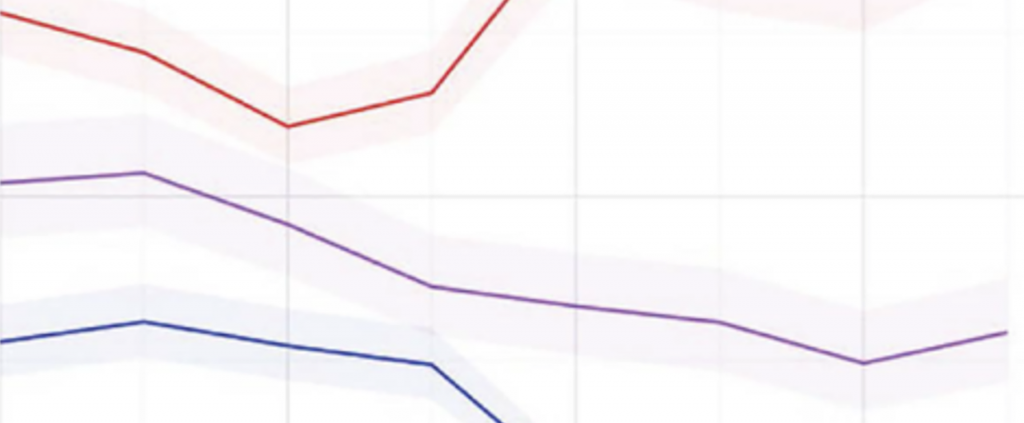
In the eight years since the May 2010 general election, the health of people living in the United Kingdom has faltered.
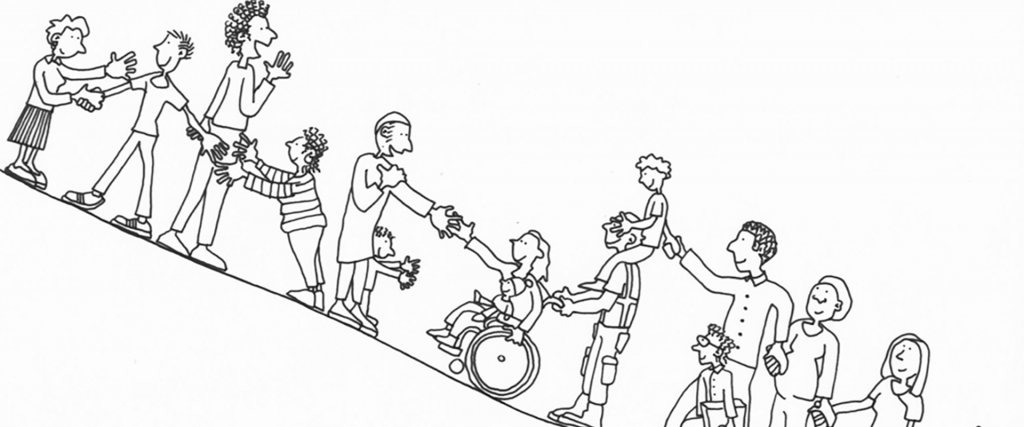
Yes we need a basic income. Yes we will get one. But we in the UK will very probably have to wait until other European countries have had one for some time.
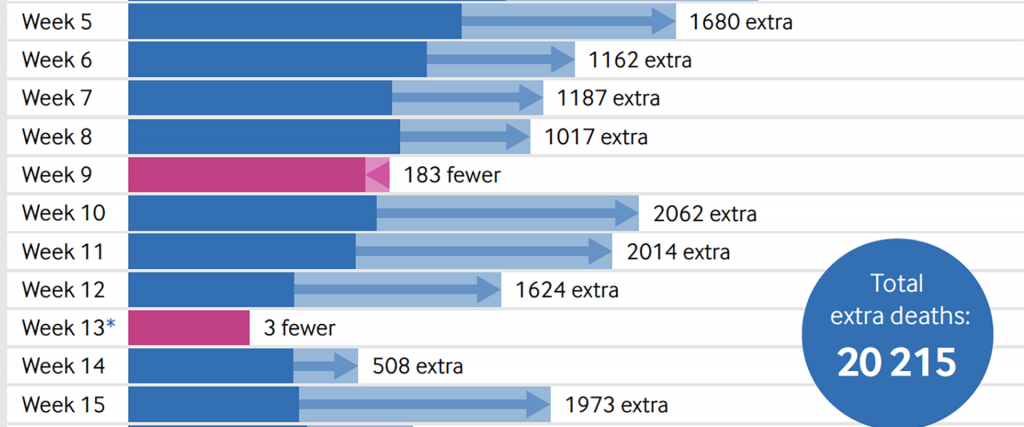
Almost six weeks after the inquiry was announced no deadline has been set for Public Health England’s inquiry report into mortality rate rises across all of England.
Video and slides of Danny Dorling speaking at the Royal Society for Arts, London, July 19th 2018.
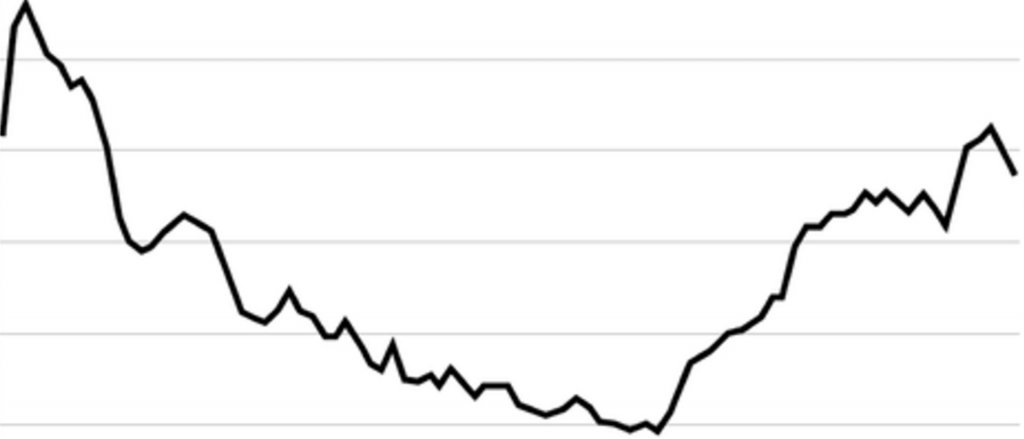
When we think of economic inequality we tend to think of a trend that is ever rising and destined to continue rising; that is far from inevitable.
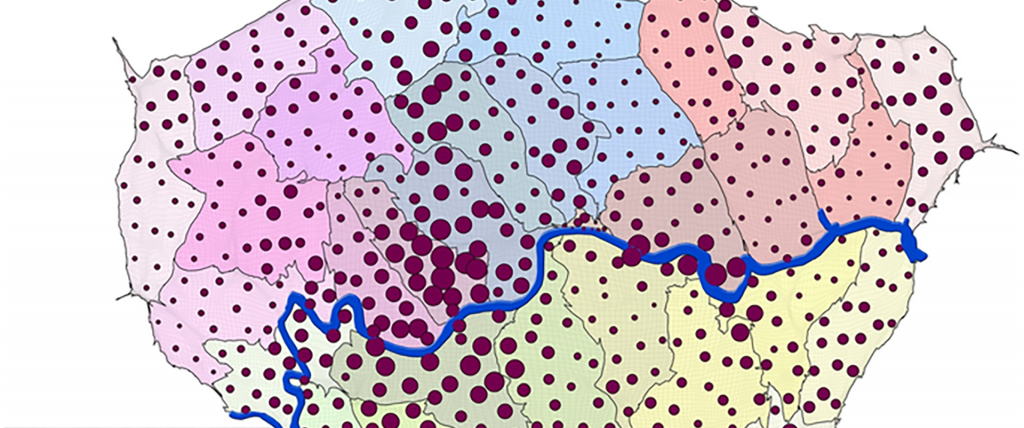
In Peak Inequality: Britain’s Ticking Time Bomb, Danny Dorling presents the evidence that in 2018 the growth in UK income inequality may have finally peaked.
Is great change coming? 4 July 2018 – First published in the New Statesman, by Danny Dorling
A talk given to the All-Party Parliamentary Group for Social Science and Policy, Attlee Suite, Portcullis House, July 3rd 2018.

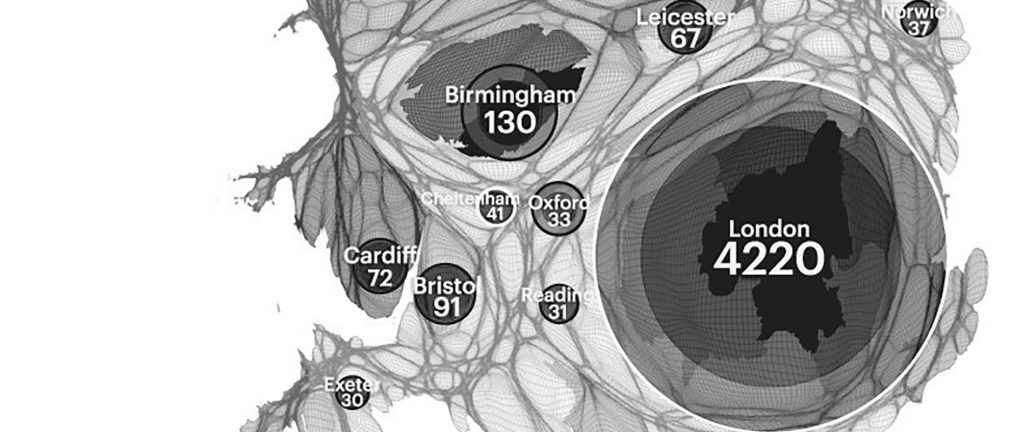
Britain is a highly segregated society. It boasts the widest Gini coefficient of all the OECD countries in Europe when income inequality is considered.
We can find it hard to believe that an era has come to an end, that a peak has been passed. But when, finally, such a change happens the memories of commentators change with it.
We know that you’re busy and that while you’d love to donate more time to progressive advocacy, life gets in the way.